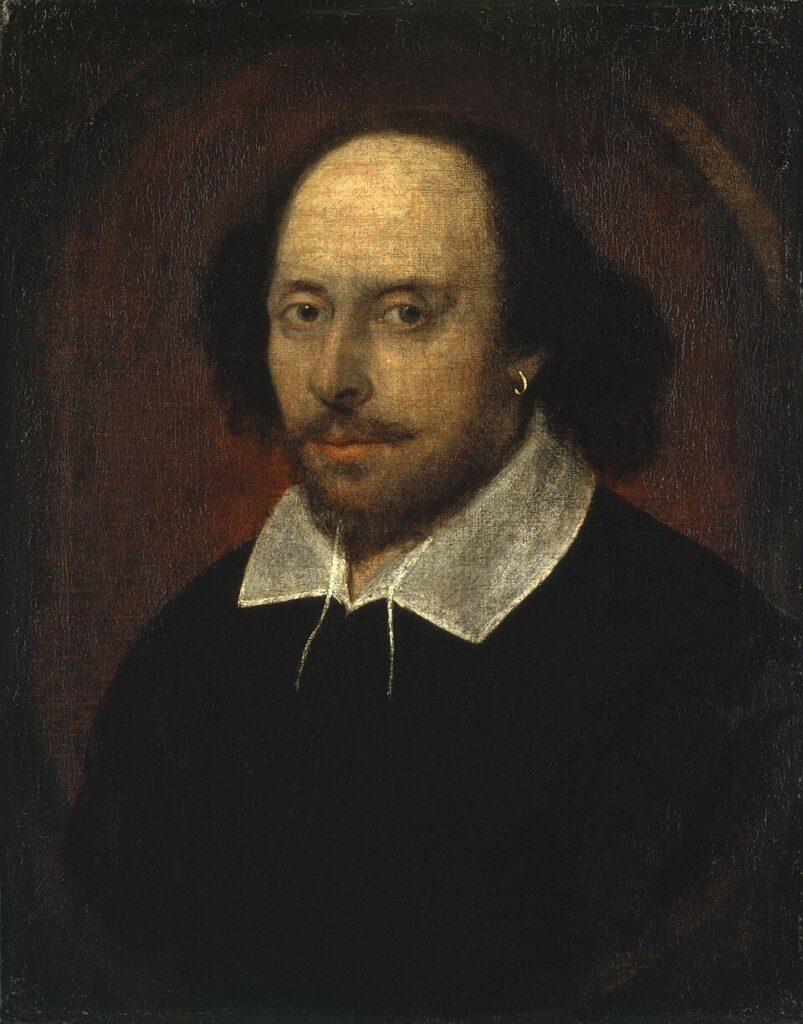
William Shakespeare
Tradução de Wallace Silveira Azambuja
Soneto 2

Quando quarenta invernos te cercarem,
e houver trincheiras no teu belo rosto,
teu garbo, que hoje é certo que reparem,
vacilará, de poucos sendo o gosto.

Então, ao questionarem teus encantos,
teus dias de esplendor que o mundo viu,
dirás, com fundos olhos de quebranto:
foi só desonra, inúteis elogios.

Quão mais mereceria tua beleza,
se respondesses: “esta linda cria
irá ser minha soma e gentileza”,
provando a bela herança que terias.

Com ela ressentir vivacidade,
e quente o sangue, frio na velha idade.
When forty winters shall besiege thy brow,
And dig deep trenches in thy beauty’s field,
Thy youth’s proud livery so gazed on now,
Will be a totter’d weed of small worth held:

Then being asked, where all thy beauty lies,
Where all the treasure of thy lusty days;
To say, within thine own deep sunken eyes,
Were an all-eating shame, and thriftless praise.

How much more praise deserv’d thy beauty’s use,
If thou couldst answer ‘This fair child of mine
Shall sum my count, and make my old excuse,’
Proving his beauty by succession thine!

This were to be new made when thou art old,
And see thy blood warm when thou feel’st it cold.
Soneto 29

Quando a desgraça da sorte me isola
de todos e lamento o abandono,
o céu meu choro inútil não consola,
e insultos a mim mesmo direciono,

querendo uma riqueza de esperanças,
perfil de alguém mais próspero de amigos,
a astúcia deste, a boa aventurança
daquele, por não ver tais dons comigo;

por mais que eu siga assim me desprezando,
se acaso eu penso em ti, o meu estado
semelha o de algum pássaro cantando
ao ver o sol nascer, pro céu voltado;

pois teu amor sugere essas riquezas
que fazem destronar as realezas.
When in disgrace with fortune and men’s eyes
I all alone beweep my outcast state,
And trouble deaf heaven with my bootless cries,
And look upon myself, and curse my fate,

Wishing me like to one more rich in hope,
Featur’d like him, like him with friends possess’d,
Desiring this man’s art, and that man’s scope,
With what I most enjoy contented least;

Yet in these thoughts myself almost despising,
Haply I think on thee, — and then my state,
Like to the lark at break of day arising
From sullen earth, sings hymns at heaven’s gate;

For thy sweet love remember’d such wealth brings
That then I scorn to change my state with kings.
Soneto 55

Nem mármore, dourados monumentos
de nobres vão durar mais que esta rima;
teu brilho aqui terá maior sustento
que a pedra, cujo tempo a subestima.

Não pode a guerra vil, iconoclasta,
algoz dos alicerces construídos,
nem Marte com a espada, a chama vasta
em cinzas ver teu nome consumido.

De encontro à morte, ao mal que tudo esquece,
hás de seguir; o teu louvor intacto
verão que no futuro permanece
em meio ao fim do mundo e seu impacto.

Enquanto o Julgamento não chegar,
aqui tu vives, e no amante olhar.
Not marble, nor the gilded monuments
Of princes, shall outlive this powerful rhyme;
But you shall shine more bright in these contents
Than unswept stone, besmear’d with sluttish time.

When wasteful war shall statues overturn,
And broils root out the work of masonry,
Nor Mars his sword, nor war’s quick fire shall burn
The living record of your memory.

‘Gainst death, and all oblivious enmity
Shall you pace forth; your praise shall still find room
Even in the eyes of all posterity
That wear this world out to the ending doom.

So, till the judgment that yourself arise,
You live in this, and dwell in lovers’ eyes.
Soneto 116

Num elo que, fiel, se complementa
não vejo entraves. Não existe Amor
que altera quando alterações enfrenta,
que dá-se por vencido ao amargor.

Ó, não! Ele é eterno, fixa marca
que encara as tempestades sem tremer;
e estrela que norteia a errante barca,
desmesurada, embora dê pra ver.

O Amor não cede ao Tempo, inda que a face
rosada junto ao lábios sofra cortes;
o Amor não muda, horas, dias passem,
resiste até chegado ao fio da Morte.

Se nisso há erro, e isto se provou,
nunca escrevi, nem mesmo alguém amou.
Let me not to the marriage of true minds
Admit impediments. Love is not love
Which alters when it alteration finds,
Or bends with the remover to remove:

O, no! it is an ever-fixed mark,
That looks on tempests and is never shaken;
It is the star to every wandering bark,
Whose worth’s unknown, although his height be taken.

Love’s not Time’s fool, though rosy lips and cheeks
Within his bending sickle’s compass come;
Love alters not with his brief hours and weeks,
But bears it out even to the edge of doom.

If this be error and upon me proved,
I never writ, nor no man ever loved.